Pages

Showing posts with label Real Estate. Show all posts

Monday, February 25, 2013

Tips For Showing Your Home


So I often get asked by my homeowners what should or shouldn't they do while their home is being shown when I am not able to be present for the showing.  There are some general rules that you should always follow because their will be 2 kinds of agents that will be showing your home and that is a Brokers Agent or Buyers Agent, keep in mind a Brokers Agent is working for you - a Buyers Agent is working for the buyers.  The rules for where and what you should be doing when your home is being shown is generally the same for both, but I will also touch on some rules for your general safety as well.


  • All Buyers Must Be Accompanied By An Agent - Never allow a buyer into your home without an agent present, you will from time to time have someone see the home and decide they are going to "pop in".  You can speak with them but don't let them into your home, this is not about your agent trying to "control" a possible sale but about your safety ! 
  • Put Away Your Valuables - This doesn't mean to bolt down your flat screen TV, but simply put things away.  Don't leave jewelry, or money laying out.  Agents will always accompany their buyers and it is rare that anyone is left in a room unattended but sometimes children will pick up what they see and parents may not notice.  
  • Let The Agents Do Their Job - If your going to be home during a showing stay out of the way, their agent will review the listing with the clients.  Often times buyers will feel rushed if they are being followed around by the homeowner, if your concerned about them getting all of the information about your home take the agent aside and let them relay the information that you feel they should know.  Also stay in the front of the house, you will always want to be aware of who is coming in or out of the home during a showing.  
  • Check Your Doors - Sometimes homeowners will opt to have a lock-box put onto the home, and leave for showings.  When your coming back home you will want to just check that all your doors sometimes a agent can leave a back door unlocked by mistake.  For my listings even if the home is vacant I take the keys out of the lock-box after a showing is complete, this is a good option for those homeowners who are hesitant to have a lock-box on their home.
  • Clear The Way - Although we will be getting a bit more sunshine now it is still important that you make sure that your pathways and the number on your home is well lit and visible from the street.  Clearing the walkway does not end at the front door, if you have small tables or an abundance of small items (shoes,jackets,laundry baskets) in your halls take the time and tuck them away this way the buyers can walk thru without obstacles. 
  • Be Inviting To The Buyers - While you don't want to follow the buyer and the agent around the home, you can still make them feel comfortable.  If you have a fireplace, have it lit it is a great time to show off that kind of feature ! Put out some bottles of water, or candies sometimes that is enough to get them to stay a bit longer in your house and notice something they really like about it. 
These are just some of the things you should be doing when your home is shown, personally I like to be at my listings during the showings but it is not always possible for your agent to make it to every showing.  If you want to make sure the buyers are receiving all the information that you think they need, talk to your agent about creating a buyers packet to give to buyers that come to your home.  That is a great way for you to know they received all the information without making the buyers feel pressured ! 

Monday, February 18, 2013

Value VS Features In Real Estate


As promised from last week it is time to explain what are things that you can add an actual value to your home verse others in your area, and what items are more of a feature that doesn't necessarily add "value" to your home.  Keep in mind when I refer to the word "value" in this blog it is strictly about the price of your home or the ability to have a higher price because of the "valued" item.

Let me start by giving you a quick overview of what things add "Value" to your home:
  • Renovations Or New Construction 
  • Legal Add-Ons (EX: Basement, Extensions, Dormers)
  • Bulkhead/Private Beach/Docking Rights
  • Property Size 
  • Number Of Rooms (EX:Bedrooms, Baths) 
  • Heating System Upgrades Or Conversions
Now let's talk about features, you might be surprised even if you are a buyer what some are:
  • Pools, Heated Pools, Sauna's, Hot Tubs  
  • 3 Car or more garage
  • In Ground Sprinklers, Brick Pavers, Lighting, Elaborate Fencing & Gardens
  • Fireplaces, Hi-End Appliances, Wood Floors, Imported Flooring
There are of course some exceptions where the rules will change slightly, it is not always as simple as adding and subtracting based on this "value", "feature" criteria because each homes value is based on the comparable homes in the area.  

Here are some examples: 
  1. When comparing homes in a specific area if a home has bulkhead or docking rights, you can not add an additional value above those in the same homes in the area.  If the surrounding homes have bulkhead, and yours only has water view you can not take the added value of those that have bulkhead there will be a slight difference in the "value".
  2. There is also an interesting twist with bulkhead, you can add value for someone who has recently upgraded the docking space, this is a big question for homeowners who are trying to decide to repair or leave bulkhead as is after the devastation of Hurricane Sandy.
  3. If your comparing homes in an area that the majority do not have basements/garage you can not reduce the value of a home because it also does not although you still can add value for it.  This is common in certain areas of the village of Babylon where basements are not common South of Montauk.  
  4. Renovated and new construction homes are homes where the all the items are truly new and never been used.  New construction will rarely ever be comparable to a home that was updated 10 years ago, you must add value to the new construction build but you can not penalize an updated home for not being new construction if the majority of the homes in the area were built or updated in earlier years. 
When it comes to updating your home many homeowners wonder how far should they go with the renovations so they don't "lose" money when they decide to sell.  The best rule of thumb is to keep the kitchen and bathrooms up to date by using common items not necessarily renovating every time a new appliance or building material comes onto the market.  

It is always good idea keep an eye on your market and your neighbors even when your not selling.  Even reading the sold section of your local online paper this will give you a good idea of the condition and upgrades that homes in your area have done, and you can invest wisely in upgrades for your home! 


Wednesday, January 2, 2013

Easy Energy Saving Costs


It is official Winter is upon us, after having a moderately mild fall other than our visit from Hurricane Sandy mother nature has reminded us that we are very much into winter.   In today's economy we are all trying to find ways to save a little where we can so I decided to write a blog about some simple tips to save some money on your heating bills.  These are all low or no cost ways so it is great for those who are not looking to invest in a whole new heating system because they are selling the home  or perhaps just renting ! 


Give Your Room A New Look

  • Many people switch curtains come the winter time to a heavier fabric, which is obviously a good idea you should also take advantage of the daylight sun still being able to provide some heat.  I will give you a quick example, I have very large windows and doors in my home specifically from my dining room into my living room.  Instead of putting 4 heavy panels on each I use 2 on each end, and leave sheers on the middle which allows the heat from the sun to get into these rooms during the daytime.  
  • Another easy way is to move around your furniture, instead of just pulling the furniture a few inches away from the radiators or vents spend the time and rearrange the space. Actually moving the large furniture like sofas or beds that are nearby allow the heat to radiate freely and remember this is only temporary so it may not work all year round but this is temporary !   
  • If your home has bare floors like wood or tile, invest in a few throw rugs to put down they can add a bit of style and they help make things a little bit cozier if you decide to keep your thermostat at a lower temperature ! 
  • Light a fire ! Well if you don't have an actual fireplace that can be a bit hard to do but there are some great inexpensive faux fireplaces that take up little space, but can produce a great amount of heat if one room just gets a bit chilly ! The other great thing is that they don't require a complicated installation and you can take them with you onto your next home.   There are a variety of kinds from ones that look similar to a flat screen TV complete with crackling wood sounds & remote to large wooden ones with mantles ! 


Give Your Heating System A Once Over
  • One of the most overlooked parts of your heating system is often the air filter, it is a good thing to change periodically and if your in a rental most landlords will be happy to either allow you to change it or do it themselves.  You should also take a look around and make sure there are no leaks where the joints are meeting this is something that is very important for those who have forced hot air/CAC units that run through attics and basements.  
  • Change out your thermostat to a programmable one or even a simple upgrade to a digital can help you be aware of how high your heat actually is.  I am very guilty of getting a bit chilly and turning up my thermostat and going just a little bit farther than I thought because I have the older "dial" thermostat.  The newer digital thermostats can also be programmable so the heat will go up once it is closer to the time when you will actually be using it.  
  • Check what temperature your hot water heater, often times we don't even realize what this is set at but 120 degrees is the best place for it to be.  
  • Look at the average temperature you keep your thermostat on, if you lower it 1 degree it can save you between 1% - 3% less fuel, as well as heating costs.  Another way is to actually leave your heat on one temperature lowering your heat drastically when your not home and than hiking it back up can often times cost more because of how high you raise it to "get rid of the chill" 

These are just a few of the easy ways to save a few bucks and keep a bit warmer on these chilly nights ! 

Tuesday, October 9, 2012

How To Handle Offers On An Overpriced Home !


Finding the right house for a buyer can be tough, not only on the clients but on the realtor as well. When you opt to use a Buyer Broker it can be a bit easier but sometimes the only thing standing between your and your new home can be a seller.

When you choose to use a Buyer Broker they may show you homes that are priced above your price range, and you may wonder why, isn't that a tease since you can't afford the price. Remember just because a home is listed at a certain price it does NOT mean it is worth what the homeowner may want for it! Sometimes an agent will not take the time to educate a homeowner about the current market prior to listing the home or they may opt to go with their gut on price, this makes it much harder on all involved but it does happen.

When it comes to a home that is over priced in any area the negotiations can go a few different directions but will always require patience and strategy when it comes to putting in an offer. You will of course want to review the comps in the area carefully with your Buyer Broker, because you will want to be confident in your price being fair. Putting in a offer below the market value will make negotiations much harder, because your leaving a bigger gap between what you want to buy it for and what they believe the home is worth. When your agent presents the initial offer that is when you will normally find out why the home has been priced higher than fair market value.

Once your agent has put in your initial offer that is when you will begin to be to strategize what kind of negotiation style you will use when it comes to how you will counter.

If the homeowner comes down to a significantly lower price point it is a sign that their agent is educating them about what their home is actually worth in the current market. You will want to do the same with your counter in order to show them that you are a serious buyer! If your only around $10,000 apart in price sometimes offering to split the difference between is fair and will sometimes get you an accepted offer ! Remember whether the home is over-priced or fair value your best way to get an accepted offer is to put yourself in the sellers shoes!

If the homeowners barely budges off their price, either their agent has attempted to educate them with no success or they simply think the home is worth more as well. The conversation between your Broker and the Listing agent will clear up which one is the case.

This is where things can require quite a bit of patience, sometimes your best bet is to back off of a seller and give them time to sit on the market, and see for themselves that no one will buy their home for that price. It is a risk when you do this, and you should only do this if you have tried presenting at least 2 reasonable offers and your still significantly far apart on price. By far apart I mean over $20,000 and if the seller has not given reasonable counter offers !!

You will also want to be sure your agent keeps in contact with the listing agent, you don't want to wait to see a price reduction on MLS because than you may find yourself in a bidding war because of other buyers looking at the new price ! You shouldn't stop looking at houses either while you are waiting out a seller. Many times I have buyers who look at quite a few other homes in the interim and it helps puts in perspective what their money can buy. You may decide that your willing to pay a bit more than you originally decided for a home, or you may find a better home !

Once the homeowner has had sometime sitting on the market you will than see if they really want to sell their home, or if they were just putting it out their to see what would happen.

Before you place another offer on the house schedule another showing with your broker to go and see it again, ideally when you know the homeowner is going to be home. You want them to know your still interested in their home in case there agent doesn't remind them of your previous offers !!

Make sure when you present your next offer don't skimp out make sure that your agent reminds them of all the details of your offer.  You may still need to do a bit of negotiating but again patience is key ! If the homeowner is still not being reasonable you may have to continue to wait it out, you may end up finding a better home but I'm always certain for every buyer is the perfect home !

Most people think the number one reason to use a Buyers Broker is so that you don't over pay for a house, but that is not actually the most important. It's not always about making sure you don't overpay but also about making sure you don't miss out on a home because of trying to under value someone's home. The best reason to find yourself a Buyer Broker that you trust is actually to make sure you don't miss out on a home that would be a great fit for you period.


Wednesday, June 6, 2012

Listing Your Home, What You Should Know !


This week I am going to write about something I don't talk about very often which is sellers who are new to the process of selling their home.  Now some of you might be thinking this doesn't apply to you but it just might so I have compiled a quick list of sellers that is a sign you should take the time to read this blog:
  • You purchased your first home from a For Sale By Owner 
  • You have not sold a home in the last 5 + years 
  • You inherited a property or are an Executor of an estate 
One of the most important steps to selling your home is the paperwork, not only signing it but reading it and understanding it! I can't tell you how many homeowners who have not sold a home recently are very surprised by the amount of paperwork that now goes along with listing your home. 

NYS Agency Disclosure 
New York State requires that anyone who is buying/selling a home fills out the agency disclosure paper, it clearly defines who it is that the Realtor is working for.  Obviously you will sign that the agent will be working for you, but NYS has changed with the times and they now address Dual Agency before it exists.  

Dual Agency is when your agent works for both you as the seller, but also works for the buyer.  This can sometimes cause a conflict of interest, if the deal requires negotiating it can blur the lines of who your Realtor must disclose what to.  It is my recommendation that when it comes time for you to sign this piece of paper that you require if Dual Agency exists that it is Dual Agency with a designated sales person.  What this means is if a buyer walks into your home and wants to negotiate a deal that your Realtor will have an agent from their office work for this buyer rather than representing both sides of the deal.  

Multiple Listing Service Contract
This is a very important contract for you to read most Realtors will tell you it is standard and direct you straight to the bottom to sign.  They are correct when they tell you it is a standard form, but you should be reading it because this is the detailed description that will be on not only on MLS but all of the additional websites that your home will be listed on.   

You want to check certain things in particular: 
  1. Taxes are correct (Ex: If your taxes are not correct you may end up with a buyer who is unable to purchase because they were mis-informed, remember pre-approvals do include the yearly taxes)
  2. Make sure the number and descriptions of rooms are correct (Ex: If your kitchen is an eat in kitchen, you must make sure it is accurately inputted. These are things buyers will be placing in their search criteria and you wouldn't want a oversight to cause potential buyers to not see your home.  
  3. Be sure your floor plan is accurately described (Ex: If you have an entry hall, or a laundry room you want buyers to know that because these might be important to them)
  4. Utilities are described completely (Ex: Some people will have a preference when it comes to these things, again you never want to misrepresent your home, even a simple mistake can turn off a buyer) 
  5. This last one may upset some Realtors, but the 2nd page of your MLS Listing agreement is where it shows what the commission will be, and where it will be going.  Remember there are 2 sides to every deal if your agent has told you that they will be taking a 6% listing because they split it equally with the buyers broker make sure that it is written that way in your contract.  
Exclusive Listing 
This is something that you may or may not see, if you are listing your home on Multiple Listing Service you should not be signing this paper unless there is a beginning and an end date filled out.  I will sometimes hold a listing as an exclusive until I have the pictures uploaded, & the virtual tour online but when I do I always write that the end date is at the homeowners request.  You might wonder why I do this, and it is just the way I run my business I want to make sure that my listing is up to not only my standard but to my sellers as well.  Once the homeowner sees the listing and approves it we than release the listing onto MLS for it's big debut !! 

Property Condition Disclosure 
The property condition disclosure is pretty much self-explanatory, it is a semi-large packet that details the history of the property.   Most Realtors, and your Real Estate Attorney will recommend that you do not fill this out. Instead you at closing you provide the buyer with the  $500 opt out credit.  The reason we recommend you do this is to simply protect yourself from future liability, even the most knowledgeable homeowner can be unaware of hidden issues in their home.  

Lead Based Paint 
If your home was built prior to 1978 than you are required to fill this out, and your Realtor is required to give the buyers a informative booklet about Lead Based Paint.  This is a common form that you, the buyers, and all Realtors involved will need to sign and is required.  If you are not sure what year your home was built it is always better to fill one out to be on the safe side.  

Seller Services Guarantee 
Unfortunately not all companies offer this, but if you are going to list your home I would recommend not signing with a company that does not provide you with one.  This is your guarantee that the Realtor will provide you with all the services he/she agreed to do in order to get your home sold.  It also gives you the ability to walk away from the contract with them if they are not providing all the services, I can't tell you how many unhappy expired clients I come across because the Realtor did not do what they had assured the client they would do, always remember that you have your guarantee and if your Realtor isn't doing the job perhaps they need to be reminded of that guarantee.  

Now, I have to take a moment to remind you that in order for you to be able to hold your Realtor accountable for the work that they are supposed to be doing, you must also do your part.  Mis-communication about the marketing plan for your home, can often cause a strained business relationship between Realtor and homeowner so you want to go over the details prior to signing anything.   

Coldwell Banker Residential Brokerage does have some additional paperwork that your average Brokerage does not have.  The reason is very simple, we are not your average company we offer additional services to our sellers that not only get their home sold but to make it a easy and enjoyable experience.

Affiliated Business Agreement
If you are one of my frequent readers than you have heard me talk about all of the additional services we are affiliated with.  For today I will not be going into the description of them, but I will link the appropriate information so you can look at the ones you may not be aware of.  Our affiliated business agreement, is to let you know the different companies and services we offer but we as agents do not profit from our buyers or sellers using them.  The reason each of these are so important to our company as a whole is the difference it makes for our clients.  


You will also receive a copy of your Comparative Market Analysis, be sure you keep this in your file for future reference.  Also make sure you keep full copies of everything that you signed, as well as additional paperwork you may sign during the time your home is listed.  Coldwell Banker Residential Brokerage, does have a system set up on a secured server that will store copies of all the paperwork you will accumulate during the transaction.  This is a great tool for someone who is on the road for work,  lives out of state, or just prefers keeping documents stored online rather than filed away.  


I hope everyone finds this blog helpful, if you have any additional questions please always feel free to comment and I will respond to your question as quickly as possible ! 


Thursday, January 5, 2012

Babylon Village Historical Homes


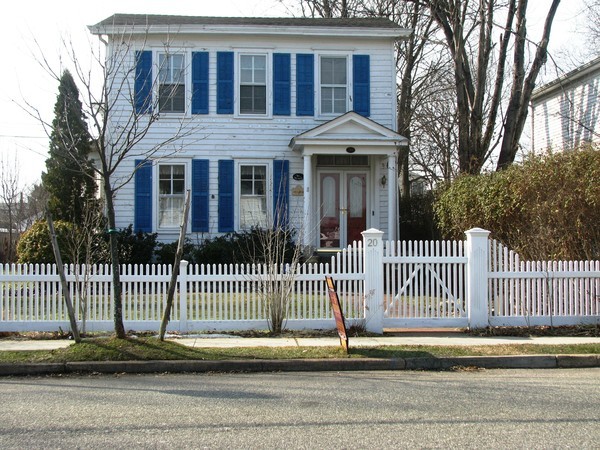
If you are looking to buy a home in Babylon Village, you will often come across some unique and historical homes, these are of course wonderful homes in a family oriented town.  Homes in Babylon Village are considered "historical", and will normally have a "plaque" displaying the year it was built, and they are each registered with the historical society.  For every 1 that displays the "plaque" there are just as many that are not recorded, you can find 8 homes currently on the market that fits the criteria to be considered, but are not recorded.  

These are great homes just waiting for the perfect family to move in and bring new life to the home.  When buying this kind of home there are a few key points that I always recommend that you pay close attention to! 


1. How is the foundation? 
Old homes can have foundation issues which can be very costly to fix, and often is not a simply repair.  Most historic homes are over 100 years old, so you MUST hire a reputable home inspector who knows about what to look for in these homes.  They will look for signs of cracks and shifting in the foundation.  As well as mold, and other costly fixes.   The most important room in a historical homes is first and foremost the basement! Many homes in the Babylon Village area will not have basements, only a crawlspace so it is still important to have the inspector give it a thorough look thru since there could be water damage from storms, or termites.  

2. How old is the electrical wiring? 
Many old homes still have the original knob-and-tube wiring.  Although it works, it can be a fire hazard, and it will usually is because it is covered by insulation especially in the attic.  You will want to check and make sure if it does not have extremely old wiring that the home has the correct ampage needed for your belongings.  Some home owners will upgrade the electric to the basic necessities the home already had so keep in mind if you plan on upgrading appliances, lighting, air condition systems, or pools you want to make sure the electric panel either has room for add-ons and can handle what your future plans will be.  

3. How old is the plumbing? 
If the house still has the orignal cast-iron pipes, you might need to replace them because of mineral buildup, corrosion, or leaks.  Make sure you homes inspector checks any exposed piping to be sure they are working order.  

4.  How is the house heated? 
Old radiators do add character to a home, but in today's economy oil is a very expensive way to heat your home.  You can either speak to the owners so that you have a realistic idea of what your home heating costs will be.  You can also find out from neighbors, or your real estate agent if the neighbors have converted to gas, if the neighbor has converted this is a good sign that you will be able to as well.  


5. How is the roof? 
In any home you will of course check the roof, but in a home that is over a 100 years old you want to not only make sure it does not need to be replaced but you will want to know how many layers of roofing there are, or at least have a good idea, the cost of replacing an entire roof is enough without a roofer adding additional costs because of additional layers that need to come up. The one wonderful incredible thing about a homeowner of a historic house, they usually have more background on the home than most.  


Historic Homes In Babylon Village Currently On The Market

86 Litchfield Avenue
8 Room, 4 Bedroom, 2.5 Bath


MLS#2400044
Listed By Westcott Group Inc.

More Information About This Home


43 Thompson Avenue
11 Room, 5 Bedroom, 2.5 Bath


MLS#2453660
Listed By Netter Real Estate

More Information About This Home

52 Stuart Avenue
10 Room, 5 Bedroom, 2.5 Bath


MLS#2448052
Listed By Coach Real Estate

More Information About This Home


Other Historic Homes In Babylon Village 

 This French-inspired home dates to the 1850's


This Shore Road home dates to 1820 and is what remains of a large estate.

Babylon Village is known for its many charming older homes, from 19th-century fisherman's homes to elegant Victorians.  Patch offers up a tour of the oldest of the old homes.  Is your home even older? 
If your home or business is more than 100 years old, you can apply for a "Circa Board" to display from the Babylon Village Historical and Preservation Society by stopping into their headquarters to find out more information.


Photos and Article Credit:  Jacqueline Sweet & Babylon Village Patch

Tuesday, December 13, 2011

Coldwell Banker Home Protection Plan


When you are trying to sell your home, you need to make it stand out from the rest, and in today's market that can be extremely difficult, many homes have their competition only a few doors away from them. 

It is a buyers market, so the best thing you can do is help the buyers! The Coldwell Banker Protection Plan, is one of the best tools you could possibly have.  It is not often that someone turns down a warranty, and why would they when it is at no cost to them!

The best part of this is it gives you options, and my sellers are able to use the warranty for themselves as well.   Once you have signed up for the plan, you as the homeowner are able to start using this as well immediately, but you do not pay for the warranty until your home goes to closing! If you use it but your home does not sell, the plan still costs you nothing!

This plan is provided thru American Home Shield, and they do not work with any other real estate companies, Coldwell Banker Residential Homes is the ONLY one!

So here are some quick facts from a study recently done on homes that have sold. 
  • 76% of Realtors recommend a home warranty to their clients.
  • Homes with warranties sell up to 15% faster.
  • Homes with warranties sell for a price 2.2% higher.
This is a great way to get your home noticed, I have them on many of my listings because it really is a wonderful tool, and it will only cost you once you have someone who is buying your home.  It also has some great options for the buyers, they can add on coverage if they choose to, since AHS has offered different levels of warranty this is something that at no cost to the seller the buyer can purchase additional coverage. 

I have been asked how exactly it works when the seller/buyer needs to file that they need service and even that has been made extrememly simple.  So here are a few facts about what makes AHS different from your average warranty company. 

  • A Customer service representatives are available 24 hours a day, seven days a week; allowing you to request service either by phone or online
  • Contractor network of pre-screened, licensed1 and insured service providers is the largest in the industry.
  • Sellers have the option to use this warranty, even before a buyer is found, if the home does not sell they do not have to pay!
  • Buyers can add on coverage at closing, above what the seller is offering.
Please feel free to download the complete package of information, as well as the frequently asked questions.  It will promt you to an additional site for this download, it does NOT send you spam after you have downloaded. 

Saturday, December 3, 2011

Average Foreclusure Time Sets New Record


Foreclosures are setting new records again, this time not in their overall numbers, but in the time it is taking for all of these properties to be processed through the legal system. The average loan in foreclosure has now been delinquent a record 631 days, according to a new report from Florida-based Lender Processing Services.

The after effects of the so-called "robo-signing" foreclosure paperwork scandal, now more than a year old, continue to plague states which require these cases to go before a judge.

The differences in processing times are blatant when you compare judicial versus non-judicial states. Non judicial state foreclosures inventories are less than half those of judicial states, and foreclosure sale rates in non-judicial states are four to five times that of judicial states. Judges are starting to ramp up the process.

Bank repossessions actually surged in October in many judicial states, up 48 percent in New Jersey and up 73 percent in Indiana month-to-month, according to RealtyTrac. Still the backlog is still enormous. Overall foreclosure inventory is at an all-time high, 4.29 percent of all active loans, according to LPS.

"The discrepancy will go on in perpetuity, as there always has been a difference between judicial and non-judicial timelines," said Kyle Lundstedt, managing director of LPS Applied Analytics. "Even prior to the worst of the crisis, loans were 4-5 months more delinquent in judicial states at time of foreclosure sale. The number today is more like 8 months, but will return to the 4-5 month difference depending on when and how fast foreclosure sales occur.

A record-high inventory of foreclosures in process does not bode well for the near future of the housing recovery. All those distressed properties will sell at a deep discount, likely bringing down the prices of surrounding homes.

They will also add to already historically high existing home inventories, while demand is still weak. While there is considerable investor demand for distressed properties, new foreclosures are still outnumbering foreclosure sales by over 3:1.


In addition to the "robo-signing" delays, we are now beginning to see the effects of ineffective loan modifications. Repeat foreclosures made up nearly 45 percent of new foreclosures in October. Of the 2.1 million modifications since the start of 2008 more than 10 percent were in foreclosure with another 27.4 percent delinquent 30 or more days, as of the end of the third quarter of this year, according to the Office of the Comptroller of the Currency.
Lundstedt said foreclosure moratoria, process/documentation reviews, evaluation for loss mitigation and bankruptcies make up the rest of the repeat foreclosures.

As the mortgage market continues to work through the backlog of troubled loans, looking forward, loans originated in 2010 and 2011 are now the best performers on record, thanks to tighter credit requirements.
Of course that begs the question:

Did the pendulum swing farther than necessary to the conservative side? Is underwriting now unnecessarily restrictive?
 
Published: Thursday, 1 Dec 2011 | 9:30 AM ET
By: Diana Olick
CNBC Real Estate Reporter

Thursday, November 3, 2011

Home Sweet Home Improvement


Home sweet home improvement – the Coldwell Banker® Network offers tips for upgrading your home and increasing property value

Whether you are planning to add more rooms, upgrade your kitchen or want to put your home on the market, the Coldwell Banker Network offers some essential home improvement tips to increase the value of your home.

Kitchen makeover. The kitchen is the most popular room in the house to remodel. Most in the industry will tell you money spent upgrading a kitchen produces the highest return on investment. Hot makeover trends include adding dual sinks, cooking stations, bigger dishwashers, under-cabinet lighting, warming ovens and wine coolers. Also consider upgrading all major appliances.

Bathroom fixer-upper. Upgrading a bathroom is another sound choice and will often provide a significant return on investment, as large bathrooms typically top the list for those seeking a new home. Adding skylights, sunken whirlpool baths, or larger showers are other attractive selling features.

Cosmetic touch-ups. A paint job, new double-paned windows, or new carpeting will increase the price of a house virtually dollar-for-dollar. It is important to make sure your home standards are in-line with other houses in the neighborhood. Neutral colors and no clutter make a world of difference! It is vital to look after minor problems such as a leaky faucet or a loose cabinet to guarantee your house doesn't experience any long-term damage. As soon as you notice a problem, fix it sooner than later to help avoid a larger expense down the road.

Home improvement professionals for hire. Whether you need an architect, gardener, interior designer or contractor, it is always important to do a background check prior to hiring a professional. Get references from family or friends and then interview your selection. Important qualities to look for are trust and experience, not initial price.

How To Make Sure Your Home Sells At The Right Price !

COLDWELL BANKER® SHOWS YOU HOW TO MAKE SURE THE YOUR HOME SELLS AT THE RIGHT PRICE

Establishing a reasonable and profitable listing price for a home is perhaps the biggest challenge for every home seller. Before coming to a final figure, many sellers ask themselves: "That home down the block went for a lot; can I just price my home in the same ballpark?" "Can I jack the price up in a hot market?" These and many other factors must be considered before settling on a listing price. The professionals at Coldwell Banker Residential Homes recommend taking the following steps before setting an asking figure.
         
Choose the Right Sales Associate
While many people use a friend or relative's referral to select a sales associate, it is smart to interview many prospective agents. Invite several sales associates to show their listings presentations. Pay attention to how they plan to market the home, and find out the reach of their company's Web site. Also, make certain they plan to list the home on the multiple listing service (MLS) and inquire about how broad their real estate contact network is.

 
Do The Homework.
Ask a real estate sales associate for a written comparative market analysis (CMA). This will provide a list of recent sales prices of similar homes in the area (with comparable numbers of bedrooms, baths, square footage and lot size), the asking prices of homes currently for sale nearby and other important information. Then a sales associate will provide a professional estimation of a legitimate selling price.

Take the Emotion Out of It
While the seller likely has great affection for the home, the sales associate will not set the price based on the seller's emotion. Instead, he or she will evaluate the location, condition and size of the home. A house in a secluded, exclusive area may appeal to some, while others will want to be closer to schools, shopping and health care facilities. What is the physical condition of the home? Is it a fixer-upper? Does it make a good first impression (the ever important curb appeal)? Will it appeal to a growing family, or is it better suited to empty nesters?

Determine If It Is a Buyers/Sellers Market
Home inventory, mortgage interest rates and the economy play a role in determining whether the buyer or seller has a negotiating advantage. Interest rates remain at historically low levels even as the economy shows signs of improving, putting buyers in a good position to shoulder "good" debt of homeownership.
     
Do the Math
Do not forget to figure in closing costs, legal fees and other selling expenses when determining the selling price. The sales associate should be able to provide cost estimates, and negotiate with a potential buyer to ensure a good sale price.
                                                           
Give It the Once Over
There is one more step to ensure that the house sells for your price, or more. Do as much as possible to improve the home's appearance: touch up the paint, fix leaks, seal any cracks, clean up the clutter, and eliminate pet odors. The house has only one chance to make a first impression.

Sunday, October 9, 2011

Tips To Present a Stronger Mortgage Application


As underwriting guidelines for lenders become more stringent, we need to re-examine what a good mortgage application looks like. As home buyers begin their search for a home, there are a few items they should be aware of that they can do to help get their loans approved (with the best possible terms), and, at the same time, lessen some of the stress that goes along with the mortgage process.

1. Income documents

Most lenders want to see a full month of paystubs and two years’ complete Federal Tax Returns. Assembling them ahead of time and holding on to every paystub you get is a good idea even before you find a home and/or submit your mortgage application because it will save you time later. Moreover, looking at those documents and being prepared to explain any deductions that show up is crucial. Child support, alimony, garnishments, and Unreimbursed Employee Expenses are often crippling factors that, if explained and dealt with upfront, can make your loan approval smoother.

2. Asset documents

Most lenders will scour your bank accounts for the two months prior to going to contract. They are looking for large deposits because large deposits can signal a new loan that wouldn’t show up on your credit report yet. What’s a “large deposit”? Typically, any deposit that would represent more than your income can support. If you make $5000 a month, after taxes you likely net $3800 (or $1900 a bi-weekly pay period). Therefore, deposits in excess of that will need to be explained and documented. Sold a motorcycle? Have a paid receipt and motor vehicle documents in place. Received a gift? You will need a Gift Affidavit, proof of the donor’s ability and transfer of the funds. Any and all questions should be discussed with your loan officer.

3. Credit Score Optimization

Do your best to curtail your use of credit as it relates to your available credit lines. Target a cap of 30% of usage of available lines to get the best scores. Do NOT cancel credit cards. That will lower your amount of available credit, thereby raising your percentage of usage. That will damage your score. Do NOT shop for a car, explore life insurance, apply for a new credit card or increase the limits on your current cards because the running of your credit by people in other industries will also lower your credit score. Most importantly, don’t do anything that will require having your credit run without first discussing it with a mortgage professional who knows the impact it could have.

4. Appraisal Concerns

It’s unlikely you will make an offer to purchase without checking out comparable home sales. It’s also likely you received that type of data from the real estate agent you are working with. Make sure your agent prepares the same information for the appraiser. Data about similar sales, similar homes currently on the market and maybe even cost estimates for any repairs or improvements anticipated can preempt future problems with appraised values and conditions.
Overall, it is recommended that you hold onto copies of everything financial, think before allowing your credit to be run and work with an agent and loan officer who can use their experience to put your loan application in its best possible light…as soon as you start thinking about buying a home.

Tuesday, September 27, 2011

Open House Event Weekend !


This is just one example of what makes Coldwell Banker Residential Homes different from your ordinary brokerage.  We think outside of the box, and reach out to all buyers in new and creative ways!

This is a wondeful opporutnity for homeowners to take advantage of, now is the time to list your home, for the next 2-3 months their will still be serious buyers shopping around.  Someone who is still looking for their dream home, WILL make a purchase before the holidays get into full swing!

Friday, September 23, 2011

Safety Tips For Sellers

We are lucky to live on Long Island where crime is not a big issue. However, I still stress to all of my sellers to play it safe while their home is listed for sale. Here are some very important tips to remember:
1. All Buyers Must Be Accompanied By An Agent.
Sure, some people may see your sign and take it upon themselves to knock at your front door. Do not let them walk through on their own or give them information about the home. Most agents have their cell numbers on the sale sign.  Tell them for more information or to schedule an appointment, to call your agent.
2. Put All Valuables Away.
When you list your home for sale, please put away or better yet, lock up all valuables. Most real estate agents have a comfort level with their buyer but it is impossible to screen every person that wants to look at your home. Most Realtors never leave their clients alone but it can still be easy to slip a piece of jewelry into a pocket. Also, make sure ALL valuables are safely put away during a public open house. If we get a good turnout, it is nearly impossible to keep an eye on everyone that walks through.
3. When Returning Home After A Showing Check Every  Doorway. 
Agents are responsible for securing a property when leaving however, they may be so intent on showing the property that they forget to lock a door.
4. Stay By The Door  
If you are going to be home during a showing we always recommend you stay out of the way of the agent and their buyer so they do not feel pressured.  There is another reason and that is because you are opening your doors to strangers, always make sure there is nothing between yourself and your front door.  It is always better to be safe than sorry, and it will allow you to keep an eye on who else could be coming in (ex. Family/Friends).