Pages

Showing posts with label Renovations. Show all posts

Monday, February 18, 2013

Value VS Features In Real Estate


As promised from last week it is time to explain what are things that you can add an actual value to your home verse others in your area, and what items are more of a feature that doesn't necessarily add "value" to your home.  Keep in mind when I refer to the word "value" in this blog it is strictly about the price of your home or the ability to have a higher price because of the "valued" item.

Let me start by giving you a quick overview of what things add "Value" to your home:
  • Renovations Or New Construction 
  • Legal Add-Ons (EX: Basement, Extensions, Dormers)
  • Bulkhead/Private Beach/Docking Rights
  • Property Size 
  • Number Of Rooms (EX:Bedrooms, Baths) 
  • Heating System Upgrades Or Conversions
Now let's talk about features, you might be surprised even if you are a buyer what some are:
  • Pools, Heated Pools, Sauna's, Hot Tubs  
  • 3 Car or more garage
  • In Ground Sprinklers, Brick Pavers, Lighting, Elaborate Fencing & Gardens
  • Fireplaces, Hi-End Appliances, Wood Floors, Imported Flooring
There are of course some exceptions where the rules will change slightly, it is not always as simple as adding and subtracting based on this "value", "feature" criteria because each homes value is based on the comparable homes in the area.  

Here are some examples: 
  1. When comparing homes in a specific area if a home has bulkhead or docking rights, you can not add an additional value above those in the same homes in the area.  If the surrounding homes have bulkhead, and yours only has water view you can not take the added value of those that have bulkhead there will be a slight difference in the "value".
  2. There is also an interesting twist with bulkhead, you can add value for someone who has recently upgraded the docking space, this is a big question for homeowners who are trying to decide to repair or leave bulkhead as is after the devastation of Hurricane Sandy.
  3. If your comparing homes in an area that the majority do not have basements/garage you can not reduce the value of a home because it also does not although you still can add value for it.  This is common in certain areas of the village of Babylon where basements are not common South of Montauk.  
  4. Renovated and new construction homes are homes where the all the items are truly new and never been used.  New construction will rarely ever be comparable to a home that was updated 10 years ago, you must add value to the new construction build but you can not penalize an updated home for not being new construction if the majority of the homes in the area were built or updated in earlier years. 
When it comes to updating your home many homeowners wonder how far should they go with the renovations so they don't "lose" money when they decide to sell.  The best rule of thumb is to keep the kitchen and bathrooms up to date by using common items not necessarily renovating every time a new appliance or building material comes onto the market.  

It is always good idea keep an eye on your market and your neighbors even when your not selling.  Even reading the sold section of your local online paper this will give you a good idea of the condition and upgrades that homes in your area have done, and you can invest wisely in upgrades for your home! 


Monday, February 4, 2013

Home Sweet Home Improvement


If your thinking about putting your home on the market, and you want to get top dollar from your home the saying you need to spend money to make money is often the last thing you want to hear.  There are plenty of inexpensive ways to help improve your homes chance of selling, you don't necessarily need to spend thousands of dollars by doing a complete overhaul but certain key changes can really change the overall appearance of a room ! 

  • Kitchen makeover. The kitchen is the most popular room in the house to remodel. Most in the industry will tell you money spent upgrading a kitchen produces the highest return on investment. One of the best things you can do in a kitchen is replace the countertops, sink, and appliances.  Depending on the size of your kitchen you can get remnant pieces of granite, or another great option is butcher block counters they always give a kitchen a great clean look ! 
  • Bathroom fixer-upper. Upgrading a bathroom is another sound choice and will often provide a significant return on investment, as large bathrooms typically top the list for those seeking a new home. A quick change of a vanity, toilet, lighting, and fresh paint can cost under $500 and give your bathroom a great facelift ! These are simple things that can really give a buyer a fresh look at your space ! 
  • Flooring updates. Many homes on Long Island have hardwood floors if they were built in the 60's or 70's whats amazing is the builders than covered them with carpeting ! If you have hardwood floors pull up that carpeting and show them off ! If you have bright colored carpet trade it out for more neutral colors this can help the buyer visually picture their furniture instead of thinking about what exactly would match your carpet ! 
  • Create Outdoor Living Space. This is another great trick, and the best part is normally you will get to take your upgrades with you.  If you have a nice patio you can buy some new furniture, solar lighting, and a few potted plants can show the buyer the potential in even the smallest yard plus that new patio set will come with you to your next home ! Solar lighting and bright colored plants are also a great option for your front yard to help your curb appeal ! 
Whether or not you choose to update your home there are some things you should do and I can not stress this enough but de-clutter your home.  Pack up what your not going to be using (seasonal clothes, holiday decorations ect.) and put them into your attic or storage facility ! I can't tell you how many times homeowners de-clutter the home but put it all into their closets and than we have an avalanche when the buyers open them up ! You want the buyers to have the space in your home to see what it will look like with their furniture and their family living there ! Almost every buyer whom I have had buy a home, always took the time to figure out where there things would fit before making the final decision ! 


Tuesday, July 31, 2012

What To Look For When Buying A Renovated Home


So I am sure those buyers who are out there looking have noticed the abundance of renovated homes that are currently on the market.  I am finding there are two very extreme opinions about these renovations, either the buyers absolutely refuse to even look at them, or they will look at nothing other than a renovated home. 

I would never tell anyone to not consider a renovated home, because there are some definite advantages to buying a home that has been renovated.  At the same time there are some very specific things you will want to take a look at when it comes to buying one of these homes. 

  •  How long did the renovation take? Your buyers broker will be able to tell you when the home sold to the investor, from the day it closed to the day it came back onto the market is what you want to focus on.  If it was flipped within a short period of time (30-45 days) you will want to have a very thorough home inspection.  The reason for this is because in that short of a time period it was more than likely a cosmetic renovation.  
  • What was done during the renovation? Certain things are quite obvious, but just because the home has new baseboards it does not mean that the heating was upgraded, you want to check the boiler/hot water heater/oil tank.  It could be that they did not require being replaced but the only way to know for sure is to let a home inspector look at it.  Don't ever assume that just because a light switch was replaced, that the electrical system was upgraded, most investors will upgrade the electric to 200-amp service, which is ideal for a remodeled home.  
  • How many homes has the investor renovated? More and more people are choosing to take advantage of all of those short sales by buying them and re-selling them.  Many investors are well known in the Real Estate community, you may not know them but your buyers broker will be able to find that information out for you just by talking to the listing agent.  Do not attempt to find this information out on your own, call your broker! I personally have a investor who has been doing this for 15+ years, and I have investors who have been doing this for 2-3 years but I only work for those who do quality work.  
  • What kind of warranty is provided? It is very common that new construction builds that they provide some sort of home warranty, but you always should ask if this exists on a remodeled home.  Some investors will simply give you the warranty paperwork that is provided by the manufacturer of the items the put in the home; others will offer you added warranties about the work that was done by their contractors.  It is not very common but you should still ask the question because it is a definite plus if they do! 

Those 4 questions on the most important questions you will want to know the answers to before you put in an offer on a renovated home.  Not every investor throws together remodels, but these homes are not for everyone.  If you are an avid to it yourself, or even have friends that are contractors many times you can do the same cosmetic work over the course of a season as the investor did.  I would like to think of myself as pretty handy, but I could never come close to what any of my investors do as far as quality of work.  So let's look at a few of the perks of buying a renovated home.  


The obvious perk is you are getting a turn-key home, that you will be the first to live in and will include some 
sort of warranties that you ordinarily would not have.  

 Investors now are smart and in order to move their investments instead of rushing through the renovation they
price the home a few thousand dollars UNDER market value that means your paying less for a better home.  

The reality is the renovated home came about because of an estate/short/foreclosure sale, which means the investor
has done all of the dirty work for you this is a very big perk for those areas that were really hit when the economy
went because the majority of the homes your looking at will be these renovations. 

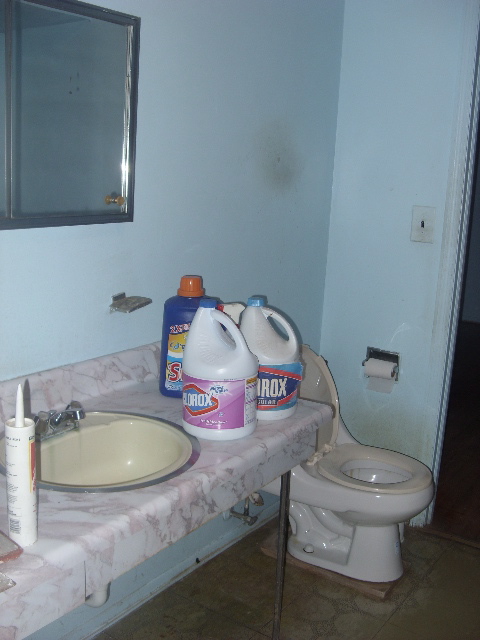
Here is an example of a renovation, mainly cosmetic but the electrical was upgraded, plumbing as well and an extensive rehab done to the property itself including the retaining wall in front.  

BEFORE 


AFTER 


A renovated home is not for everyone, take the time to talk with your Realtor about your wants/needs as well as your price range.  If your working with a buyers broker they will be able to guide you on what kind of home is best for you.  I always try to reinforce the importance of having a buyers broker working for you but it is a absolute must if you are planning on buying one of these homes.  Only a buyer broker will be able to do the kind of research this home will require, the listing agents are legally obligated to get the best possible deal for the investor, not for the buyer.  If you are planning on looking specifically at renovated homes I would suggest going one step farther and working with an agent who is knowledgeable on these kinds of homes, not only selling them but listing them and working with investors they will know right away what questions to ask, and what answers you want to hear !! 


Monday, June 11, 2012

What You Must Know When Selling Your Home !


Many homeowners listed their homes back when our spring market started, which was early this year around February when we started seeing alot of buyer activity.  With the summer market quickly approaching those same homeowners are starting to wonder why their home may not have sold yet.  Now some of you may be thinking that is has only been 4 months since buyer activity picked up, but with a home correctly priced we will normally see them go under contract within 60 days.  There are only 3 things you & your Realtor have control over, and if your home is not selling than you should look at those 3 things first and foremost !!

Price

  • When a person is searching for a home with the same characteristics as yours (bedrooms, baths), where does your home fall in the list? Look at the homes as if you are a buyer, if you are finding all the homes are priced below yours offer more you may want to consider adjusting your price. 
  • Ask your Realtor to pull recent comps, meet with them and discuss market conditions.  This is also important because your Realtor will need to have these to support the price of your home once you have accepted an offer.  
Myth: Not all homes are created equal, sometimes your home may not be selling as quickly as you would like not because of price but because it is for a particular kind of buyer.  An example of this is if the home your selling is a cottage, or a high-end home because there is a smaller buyer pool for that kind of home.  The most important part of selling a home with a small buyer pool is making sure that you have the best exposure, and easy availability to make sure your don't lost out on any buyers.  

Tip: If your home is priced above market value, it will be impossible for your Realtor to get potential buyers to come and view your home.  Many homeowners will agree to taking a much lower offer than the listing price, but there is no way to convey that to buyers who are viewing your house online, they will rule it out simply because of the price.


Availability

  • If your home has very strict restrictions on when potential buyers can come and see it, you may want to reconsider how/when you are showing it.  If you are unavailable to show your home during the week because of your work schedule, you should speak with your Realtor about allowing them to accompany showings during the week to take the burden off of you, and allowing more buyers to be able to get in.  
  • This next one is something that not all Realtors agree with, but I am a big believer in open houses.  I schedule all of my open houses for the month in advance because I want to give buyers an open invitation to come in and see your home the moment that they see it online.  
  • Taking it a step farther you will want to make sure your Realtor is getting back to those that are inquiring about your home in a timely manner. Sometimes it is not always about how quickly buyers can see your home, bu how long it takes for your Realtor to get back to them! 

Myth: Some sellers believe that by requiring 48 hours for their home to be shown gives them a better chance of preparing their home to make sure it shows well.  Unfortunately, not all buyers give their Realtors 48 hours notice that they want to see your home, it is better to ask for a reasonable amount of time to prepare than possibly lose that buyer. 


Tip: When potential buyers are viewing your home whether it is a private viewing, or an open house do not follow them around.  Often times buyers will feel as if they are intruding on the homeowners by being there, you want to give them space to take it all in! 

Condition

  • First thing you should do is look at  your pictures, if you took pictures before the spring flowers and grass became green you should ask your Realtor to update your pictures.  Remember you need to sell the house first via the pictures to get the buyers to want to come and see it in person.  
  • Spruce up your curb appeal, give the front door a fresh coat of paint or add some solar lights and plants.  Buyers spend their weekends driving around looking for open houses, even if your home is not having one you still want to catch their attention!  
  • If you have broken screens/doors/cabinets/tiles take the time the time and replace them if it is not a huge expense those are the things that make buyers look at your home and think of "projects" although they have quick fixes.  
Myth: Many homeowners think fixing up your home is a waste of time and money when you are attempting to sell it. Now this is only somewhat of a myth, doing major renovations may not be the best idea, but doing small projects to fix or update your home is normally recommended to help your homes chance.  

Tip: Take the time to look at your home objectively, remember although you can not make every buyer happy you can help the chances of your home selling quickly by doing some small projects.  The best place to start is by doing all those things that were on your "honey do list" that you hadn't had time to get to! 

There are so many different factors that come into play when getting your home sold, but these are the top 3 that are the most important ! Over the next few weeks I will be blogging more about some tips for sellers, but as always if you have a question I did not cover please feel free to comment or email me directly! 

Thursday, January 5, 2012

Babylon Village Historical Homes


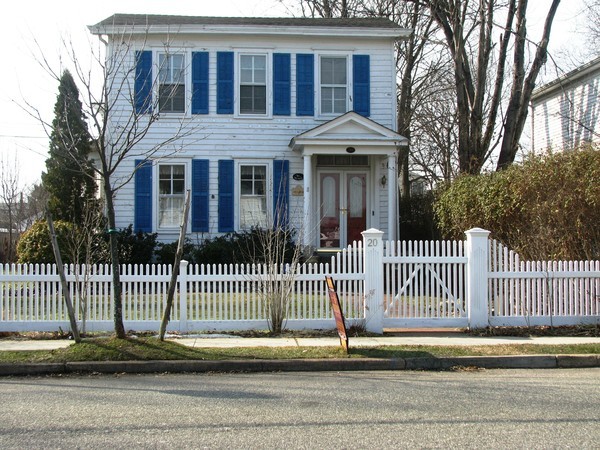
If you are looking to buy a home in Babylon Village, you will often come across some unique and historical homes, these are of course wonderful homes in a family oriented town.  Homes in Babylon Village are considered "historical", and will normally have a "plaque" displaying the year it was built, and they are each registered with the historical society.  For every 1 that displays the "plaque" there are just as many that are not recorded, you can find 8 homes currently on the market that fits the criteria to be considered, but are not recorded.  

These are great homes just waiting for the perfect family to move in and bring new life to the home.  When buying this kind of home there are a few key points that I always recommend that you pay close attention to! 


1. How is the foundation? 
Old homes can have foundation issues which can be very costly to fix, and often is not a simply repair.  Most historic homes are over 100 years old, so you MUST hire a reputable home inspector who knows about what to look for in these homes.  They will look for signs of cracks and shifting in the foundation.  As well as mold, and other costly fixes.   The most important room in a historical homes is first and foremost the basement! Many homes in the Babylon Village area will not have basements, only a crawlspace so it is still important to have the inspector give it a thorough look thru since there could be water damage from storms, or termites.  

2. How old is the electrical wiring? 
Many old homes still have the original knob-and-tube wiring.  Although it works, it can be a fire hazard, and it will usually is because it is covered by insulation especially in the attic.  You will want to check and make sure if it does not have extremely old wiring that the home has the correct ampage needed for your belongings.  Some home owners will upgrade the electric to the basic necessities the home already had so keep in mind if you plan on upgrading appliances, lighting, air condition systems, or pools you want to make sure the electric panel either has room for add-ons and can handle what your future plans will be.  

3. How old is the plumbing? 
If the house still has the orignal cast-iron pipes, you might need to replace them because of mineral buildup, corrosion, or leaks.  Make sure you homes inspector checks any exposed piping to be sure they are working order.  

4.  How is the house heated? 
Old radiators do add character to a home, but in today's economy oil is a very expensive way to heat your home.  You can either speak to the owners so that you have a realistic idea of what your home heating costs will be.  You can also find out from neighbors, or your real estate agent if the neighbors have converted to gas, if the neighbor has converted this is a good sign that you will be able to as well.  


5. How is the roof? 
In any home you will of course check the roof, but in a home that is over a 100 years old you want to not only make sure it does not need to be replaced but you will want to know how many layers of roofing there are, or at least have a good idea, the cost of replacing an entire roof is enough without a roofer adding additional costs because of additional layers that need to come up. The one wonderful incredible thing about a homeowner of a historic house, they usually have more background on the home than most.  


Historic Homes In Babylon Village Currently On The Market

86 Litchfield Avenue
8 Room, 4 Bedroom, 2.5 Bath


MLS#2400044
Listed By Westcott Group Inc.

More Information About This Home


43 Thompson Avenue
11 Room, 5 Bedroom, 2.5 Bath


MLS#2453660
Listed By Netter Real Estate

More Information About This Home

52 Stuart Avenue
10 Room, 5 Bedroom, 2.5 Bath


MLS#2448052
Listed By Coach Real Estate

More Information About This Home


Other Historic Homes In Babylon Village 

 This French-inspired home dates to the 1850's


This Shore Road home dates to 1820 and is what remains of a large estate.

Babylon Village is known for its many charming older homes, from 19th-century fisherman's homes to elegant Victorians.  Patch offers up a tour of the oldest of the old homes.  Is your home even older? 
If your home or business is more than 100 years old, you can apply for a "Circa Board" to display from the Babylon Village Historical and Preservation Society by stopping into their headquarters to find out more information.


Photos and Article Credit:  Jacqueline Sweet & Babylon Village Patch

Wednesday, November 9, 2011

Going Green In Your Home


Interest in the environment and green building has moved beyond installing energy efficient appliances and swapping out incandescent light bulbs for compact fluorescents. With luxury condos touting eco-friendly features like rain water recycling and construction companies incorporating energy saving features into new homes, it's no wonder real estate professionals say more and more potential home buyers are asking about "green homes."

With demand for environmentally friendly homes blossoming across the country, one way to make a home stand out in a stalled real estate market is to retro-fit it to green standards. Below are some tips from the professionals at Coldwell Banker Real Estate Corporation on how to make your home sustainable, energy- and cost-efficient now, to appeal to eco-conscious homebuyers later.

Replace hardwood floors with renewable materials. While hardwood has been the flooring of choice for the past several years, bamboo floors are 
much more eco-friendly because bamboo grows quickly and can be easily replaced. In the kitchen, linoleum floors, made from solidified linseed oil, wood flour or cork dust over a burlap or canvas backing, is very eco-friendly compared to modern floor coverings made from polyvinyl chloride.

Don't flush away your money. Consider replacing existing commodes with low-flow toilets which use approximately 20 percent less water per flush, or dual-flush toilets with two buttons to give home owners the choice of flushing with a half- or full tank.

A ray of light.  In many neighborhoods, owning a home on the north side of the street has always been more desirable than ones on the south side. South-facing windows provide more natural daylight, making a home more bright and cheery. More importantly, natural daylight helps keep indoor climate comfortable during the 
winter months, allowing a homeowner to lower the thermostat. Alternatively, drawing shades during key daylight hours during the summer can help cut down on air conditioning needs.

Green gardening. Sustainable landscaping is becoming all the rage to eco-conscious home owners. Planting native plants, vegetation and shade trees strategically around a home will keep it cool during the summer and block cold winds during the winter. Native vegetation thrives in its preferred environment and won’t require excess water. In addition, concrete driveways and patios can be replaced with permeable paving materials, allowing water to pass through to the ground, in turn reducing runoff that erodes soil and causes flooding of sewer systems.


Saturday, November 5, 2011

What To Do With All That House!

It has finally happened – all your children are out of the house and now you find yourself with more rooms than people to occupy them. So what’s next? Should you move to a smaller home with fewer rooms, or does it make sense to redesign and repurpose the children's bedrooms? The professionals at Coldwell Banker Real Estate Corporation offer you the following tips on how to make your house more homey in this next stage of your life:

If You Choose to Downsize
· If you decide to move to a smaller house, a condominium or an apartment, meet with your insurance company as your home insurance needs will change dramatically.
· Before moving, organize a big garage sale with all the furniture and other items you will not need anymore. Use the proceeds to pay the movers. 
If you are on track to meet your retirement savings goals or if your children have graduated, you may have newly available disposable income. You may now be in a better position to spend more on housing since you are no longer supporting your offspring. With that in mind, you might consider moving to an active-adult community.
 
If You Choose to Remodel

If you want the emotional comfort of staying in your home, you are a good candidate for remodeling. Now that the nest is empty, you can:
· Create your own private office space, a library or an exercise room by combining the kids' bedrooms. However, before you make any big changes, make sure you don't have boomerang kids who expect to come back for a few years!
· Increase the value of the property by reorganizing the empty space – expand your bathroom to install a Jacuzzi for example, or build a bathroom spa. 
· Overhaul a guest room or a den into a media room / entertainment center with a high end plasma TV, sound system and comfortable seating.  
·  
For the more adventuresome, consider converting your home into an owner-operated bed & breakfast and use the money to cover education loan payments, or pay into your retirement plans.